
If you've been researching ABA therapy for your child, you've probably come across some pretty mixed opinions. Maybe you've heard stories about rigid, compliance-heavy approaches that left kids feeling stressed and parents feeling uneasy. Or maybe you've seen videos that made you wonder, "Is this really what's best for my child?"
Here's the thing: those concerns are completely valid. And we want you to know that ABA therapy has evolved significantly, and compassionate, child-centered approaches are leading the way.
So before you start services (or if you're considering switching providers), let's walk through everything you need to know about compassionate behavior therapy and what it actually looks like in practice.
What Exactly Is Compassionate Behavior Therapy?
At its core, compassionate behavior therapy takes the science-backed principles of Applied Behavior Analysis and wraps them in warmth, respect, and genuine care for your child as a whole person: not just a set of behaviors to modify.
This approach recognizes something really important: your child isn't broken, and they don't need to be "fixed." Instead, compassionate ABA focuses on building skills, fostering independence, and helping your child navigate the world in ways that work for them.
The goal isn't compliance for compliance's sake. It's about helping your child communicate their needs, develop meaningful connections, and thrive in everyday life: all while feeling safe, respected, and understood.
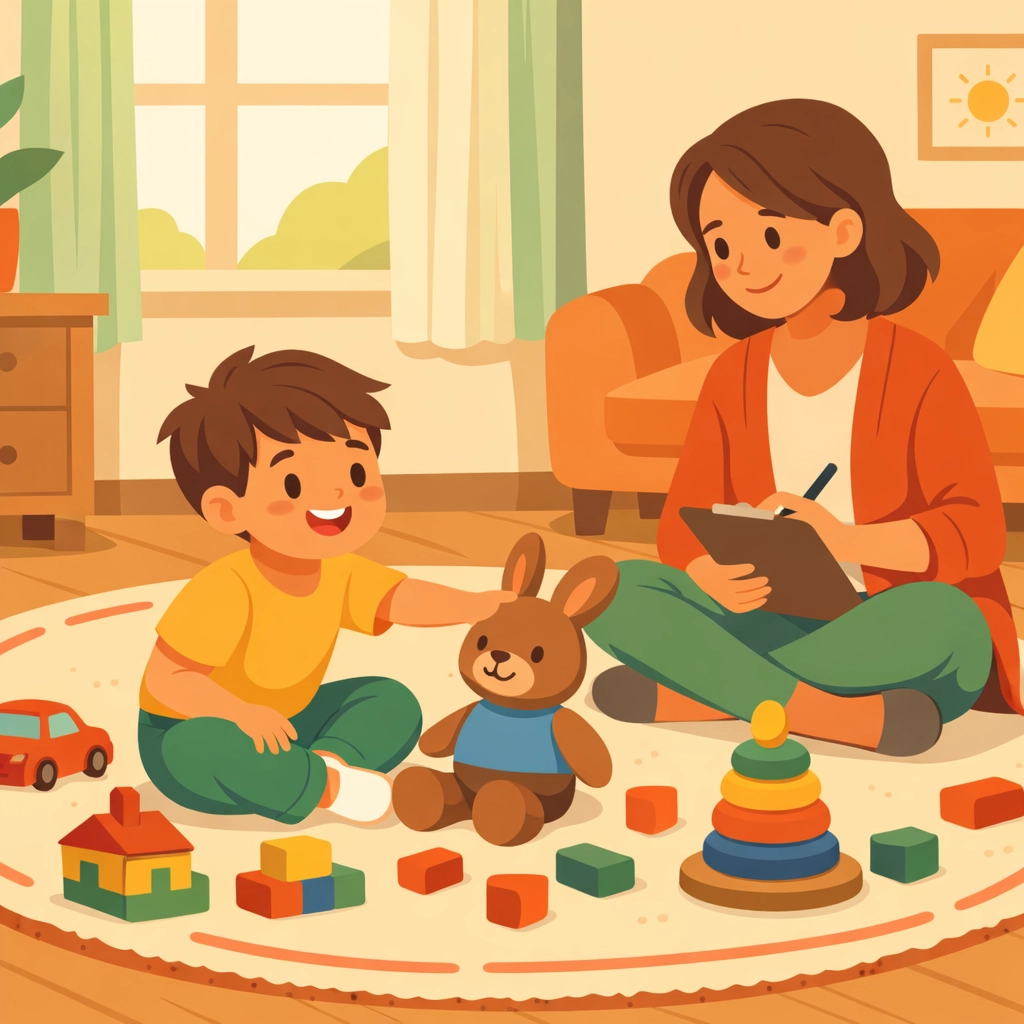
How Compassionate ABA Differs from Rigid, Compliance-Based Methods
You might be wondering what actually sets compassionate ABA apart from those older, stricter methods you've heard about. Let's break it down:
The Old Way: Compliance-Focused
Traditional ABA (especially from decades past) often emphasized:
- Repetitive drills at a table
- Compliance as the primary goal
- Adult-directed activities with little flexibility
- External rewards that didn't always connect to natural motivation
The Compassionate Way: Connection-Focused
Modern, compassionate ABA looks completely different:
- Play-based learning that follows your child's interests
- Child-led sessions where your kiddo has a voice in what happens
- Positive reinforcement that's meaningful and natural
- Relationship-building as the foundation for everything else
When therapy feels like play rather than work, children are more engaged, more motivated, and: here's the best part: they actually retain and use what they learn.
Our Approach at Pillars Behavioral Health: Play-Based and Child-Led
At Pillars Behavioral Health, we believe that the best learning happens when kids feel safe, connected, and genuinely excited about what they're doing. That's why our approach is built on three key pillars (pun intended):
1. Play-Based Learning
Kids learn through play: it's literally how their brains are wired. So instead of sitting at a table running flashcard drills, our therapists get down on the floor, follow your child's lead, and weave skill-building into activities your child already loves.
Does your kiddo love dinosaurs? Great: we'll work on communication skills while playing with T-Rex. Are they obsessed with bubbles? Perfect opportunity to practice requesting, turn-taking, and joint attention.
If you're curious about how play-based therapy works, check out our post on why play-based ABA therapy changes the way your child learns.
2. Child-Led Sessions
Your child isn't a passive participant in their therapy: they're an active collaborator. We pay attention to what motivates them, what interests them, and what they're trying to communicate (even when they don't have the words yet).
This doesn't mean there's no structure. It means we're flexible enough to meet your child where they are on any given day, adjusting our approach based on their energy, mood, and needs.
3. Positive Reinforcement That Actually Works
Forget the generic "good job!" that gets repeated a hundred times a session. Meaningful positive reinforcement looks like:
- Celebrating genuine effort and progress
- Using reinforcers that actually matter to your child
- Building intrinsic motivation over time
- Respecting when your child needs a break

Building Trusting Relationships: The Foundation of Everything
Here's something we can't stress enough: nothing meaningful happens without trust.
Before we ask your child to try new things, step outside their comfort zone, or work on challenging skills, we focus on building a genuine relationship. Our therapists take time to:
- Learn your child's unique communication style
- Understand their sensory preferences
- Discover what brings them joy
- Earn their trust through consistency and respect
When your child feels safe with their therapist, they're more willing to take risks, try new things, and push through moments of frustration. That trust becomes the launching pad for real, lasting progress.
And this relationship-building extends to your whole family. We want you to feel like partners in this process: not just observers on the sidelines.
Taking Skills Beyond Therapy: Generalization to Everyday Life
Here's a scenario we see all the time: a child masters a skill in therapy, but then struggles to use it anywhere else. Maybe they can request "more" perfectly during a session but fall apart at the dinner table.
This is where generalization comes in, and it's a huge focus of compassionate ABA.
We don't just want your child to perform skills in a controlled therapy setting. We want those skills to transfer to:
- Home life with family
- School and classroom environments
- Community outings like the grocery store or park
- Social situations with peers
That's exactly why we offer services in multiple settings: so we can practice skills right where your child needs them most.

Where We Provide Services: In-Home, In-School, and In-Community
Families in Texas and North Carolina can access our compassionate ABA services in the environments that matter most to your child's daily life:
In-Home ABA Therapy
There's no place like home: and there's no better place to work on daily living skills, family routines, and real-life challenges. In-home therapy lets us address things like:
- Morning and bedtime routines
- Mealtime behaviors
- Sibling interactions
- Transitions between activities
Want to learn more? We've got a helpful guide on what Texas families should know about in-home ABA therapy.
In-School ABA Therapy
School presents unique challenges: navigating social dynamics, following classroom routines, and managing sensory overload in busy environments. Our in-school services help your child build skills right where they need them.
Not sure which setting is right for your family? Check out our comparison of in-home vs. in-school ABA therapy.
In-Community ABA Therapy
The grocery store. The playground. The dentist's office. These everyday places can feel overwhelming, but they're also incredible opportunities for learning. Our in-community services help your child practice skills in the real world, with real-time support.
What to Expect When You're Getting Started
Starting any new therapy can feel overwhelming, so let's set some realistic expectations:
It takes time. Building relationships, establishing trust, and seeing meaningful progress doesn't happen overnight. Be patient with your child: and with yourself.
Your involvement matters. The most successful outcomes happen when families are actively involved. We'll work closely with you, sharing strategies you can use at home and keeping you in the loop every step of the way.
Progress isn't always linear. Some weeks will feel like breakthroughs; others might feel like setbacks. That's completely normal, and we'll be there to support you through all of it.
Your child's voice matters. We listen to your child: their preferences, their boundaries, and their unique way of experiencing the world. Therapy should never feel like something being done to them.

You're Not Alone in This Journey
Starting ABA therapy is a big decision, and it's okay to have questions, concerns, and even doubts. What matters is finding a provider who sees your child for who they truly are: not just a diagnosis or a list of target behaviors.
At Pillars Behavioral Health, we're here to walk alongside your family with compassion, expertise, and genuine care. Whether you're in Texas or North Carolina, we'd love to chat about how we can support your child's unique journey.
Ready to learn more? Reach out to us and let's start the conversation. Your family deserves a team that truly gets it: and we're here for you.
Leave a Reply