
If you've been through traditional ABA therapy sessions, you might know the drill: structured table work, repetitive drills, and your child sitting still for what feels like endless exercises. While these methods can be effective, many parents wonder if there's a more natural way for their child to learn communication skills: one that doesn't feel like work for anyone involved.
The good news? There absolutely is. Play-based ABA therapy is transforming how children with autism and other developmental differences learn to communicate, and the results speak for themselves. Instead of fighting against your child's natural instincts to move, explore, and play, this approach works with them to create genuine learning moments that stick.
What Makes Play-Based ABA Different?
Traditional ABA often happens at a table with specific materials and structured responses. Play-based ABA flips this model by bringing learning into the spaces where your child already feels comfortable and engaged. Picture your child practicing requesting skills while building with blocks, working on turn-taking during a game of catch, or developing conversational skills through pretend play scenarios.
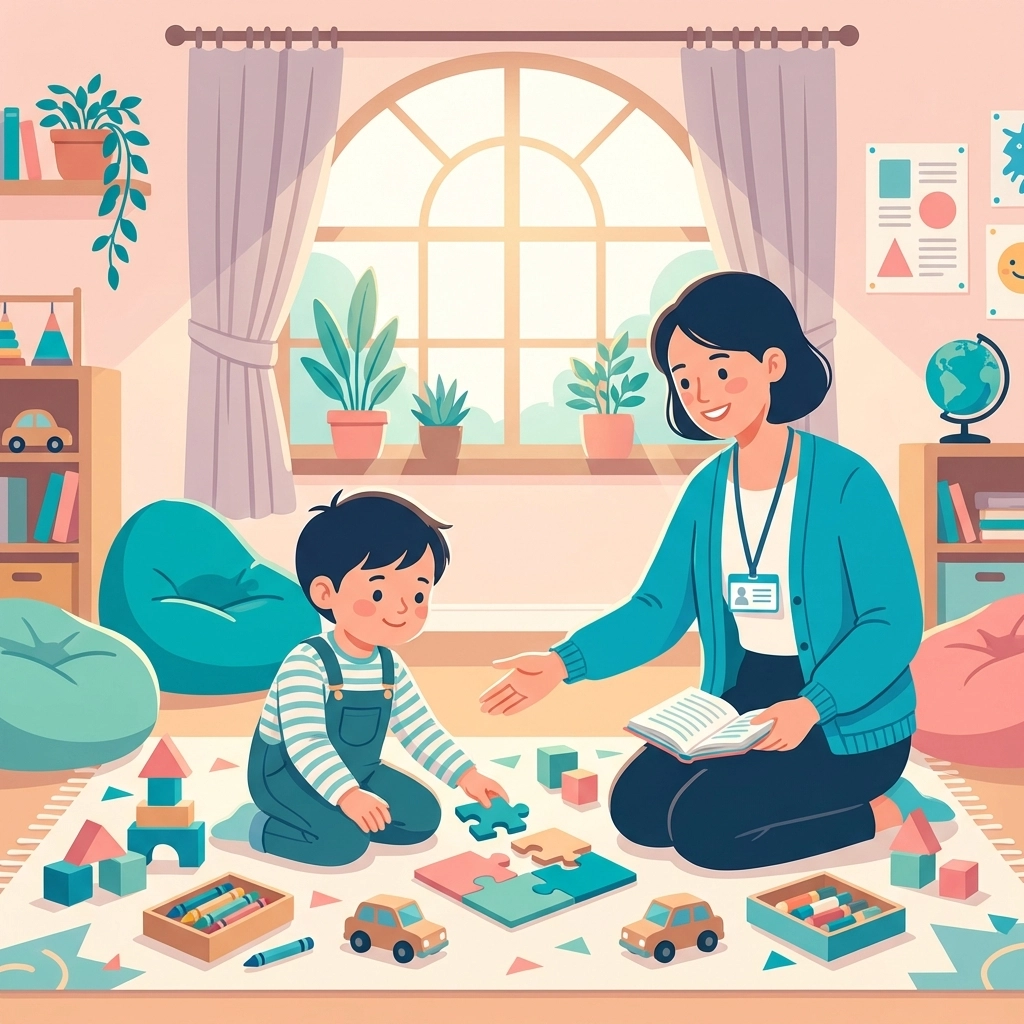
This isn't about making therapy "easier": it's about making it more effective. When children are naturally motivated by an activity, they're more likely to participate fully, practice consistently, and actually retain what they've learned. Your child isn't just going through the motions; they're actively engaged in meaningful communication opportunities.
Creating Natural Communication Opportunities
One of the most powerful aspects of play-based ABA is how it creates authentic reasons to communicate. Instead of practicing the word "more" in isolation, your child might learn it while playing with bubbles, asking for another turn on the swing, or requesting additional pieces for their art project.
These natural contexts matter because they mirror real life. When your child successfully requests "more bubbles" during play, they're more likely to use that same skill when they want more crackers at snacktime or more time at the playground. The communication becomes functional rather than just academic.
Consider storytelling and role-playing activities, which offer rich opportunities for back-and-forth interaction. Your child might start by simply choosing characters or props, then gradually build up to narrating actions, asking questions about the story, or even creating their own plots. Each step builds naturally on the last, creating a foundation for complex communication skills.
Building Both Verbal and Non-Verbal Skills
Communication isn't just about words: it's about the full picture of how we connect with others. Play-based therapy recognizes this by incorporating gestures, facial expressions, body language, and verbal communication into enjoyable activities.
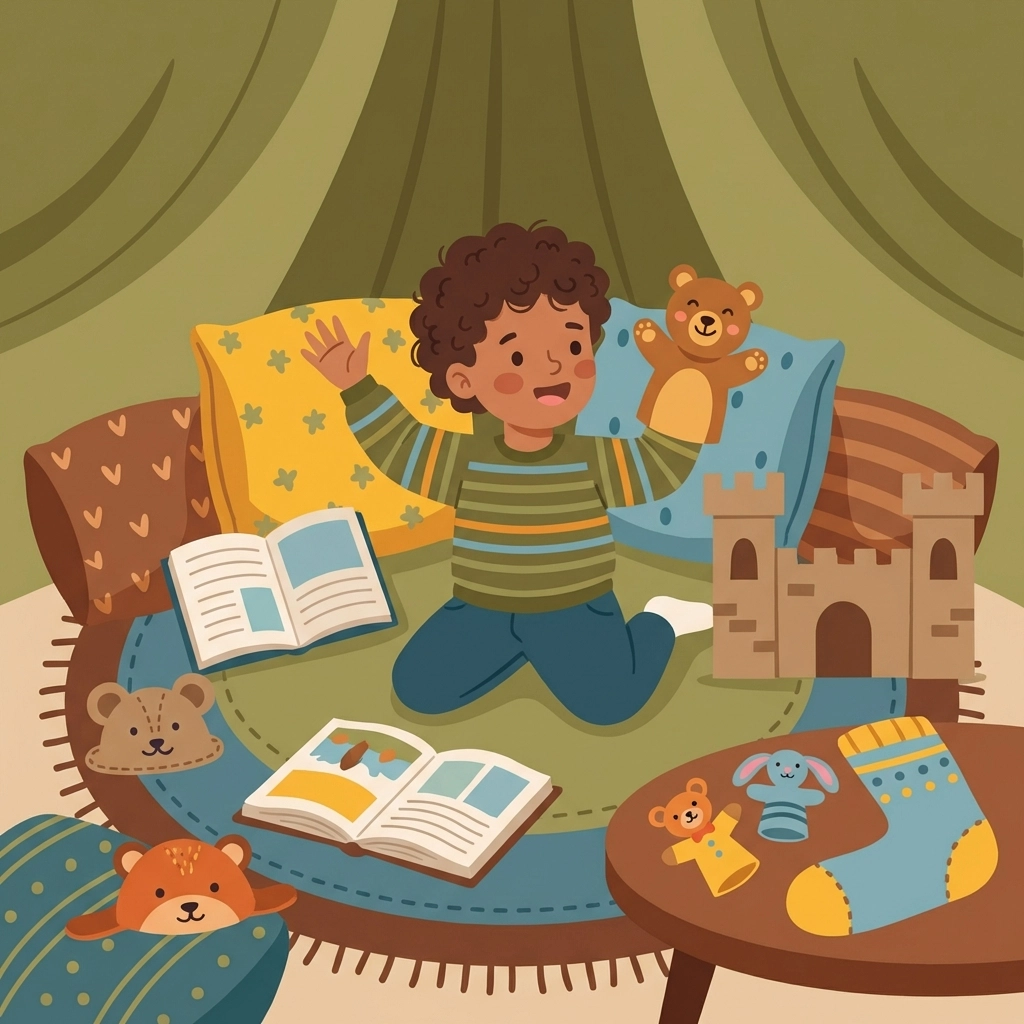
During interactive games, your child naturally practices making eye contact, reading facial expressions, and responding to non-verbal cues. They might learn to point to share their excitement about a discovery, use gestures to indicate "stop" or "go" during movement games, or practice the subtle art of taking turns in conversation through play interactions.
These non-verbal skills often develop more easily in play settings because they emerge organically rather than being explicitly taught. Your child isn't thinking about "making eye contact": they're looking at their play partner because something interesting is happening.
The Motivation Factor Changes Everything
Let's be honest: most children aren't naturally motivated to sit at a table and practice communication drills. But show them a box of art supplies, a collection of toy cars, or an opportunity to play with bubbles, and suddenly you have their full attention.
This intrinsic motivation is what makes play-based ABA so effective. When children want to participate in an activity, they're willing to stretch themselves communicatively to access it. They'll attempt new words, try different ways of asking for help, or persist through communication challenges because the end result: continuing to play: is worth it to them.
Therapists work closely with families to identify your child's specific interests and preferences, then weave communication goals into activities around those motivating factors. If your child loves trains, communication practice might happen through setting up train tracks, making train sounds, or creating stories about where the trains are going. The learning feels natural because it's built around what your child already loves.
Skills That Actually Transfer to Real Life
One of the biggest challenges in traditional therapy approaches is helping children generalize their skills: using what they've learned in therapy in their everyday life. Play-based ABA addresses this challenge head-on by practicing skills in contexts that closely resemble real-world situations.
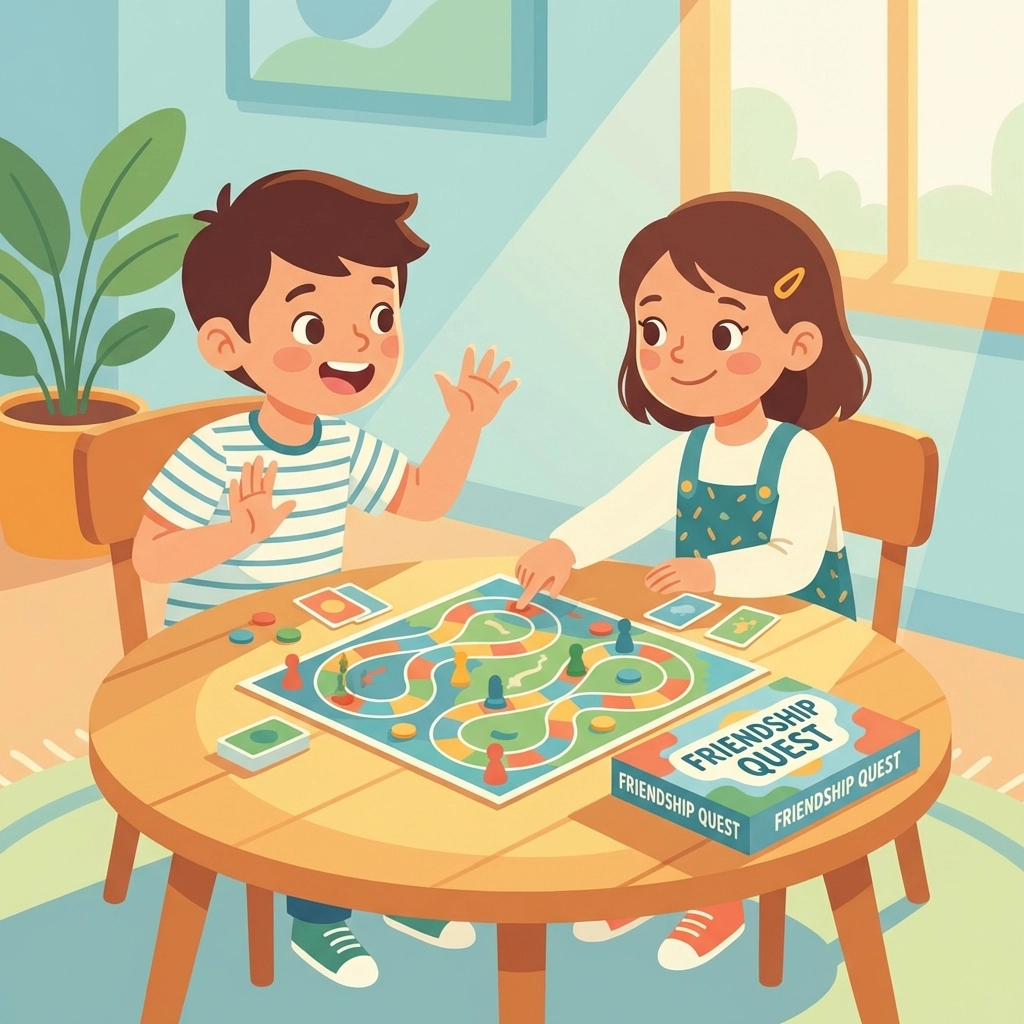
When your child learns to ask for help during a puzzle activity, they're more likely to ask for help when they can't reach something at home. When they practice greeting behaviors through pretend play scenarios, those greetings are more likely to emerge naturally when meeting new people. The skills transfer because they were learned in realistic contexts from the beginning.
This generalization happens because play naturally involves variability. Unlike drill-based learning where the same response is practiced repeatedly, play involves different scenarios, different communication partners, and different outcomes. This variability helps your child develop flexible communication skills that adapt to different situations.
Reducing Communication Anxiety
Many children with autism and other developmental differences experience anxiety around communication, especially if they've had negative experiences with being misunderstood or having their attempts corrected frequently. Play-based approaches create a safer emotional environment for communication practice.
In play settings, there's less pressure to get things "right" the first time. If your child attempts a word and it doesn't come out clearly, the play can continue while gently modeling the correct pronunciation. If they use gestures instead of words, those gestures are honored as valid communication while verbal language is still encouraged.
This emotional safety encourages risk-taking in communication. Your child becomes more willing to try new words, attempt longer sentences, or initiate interactions because they've learned that play spaces are accepting of their communication efforts, whatever form they take.
What This Looks Like in Practice
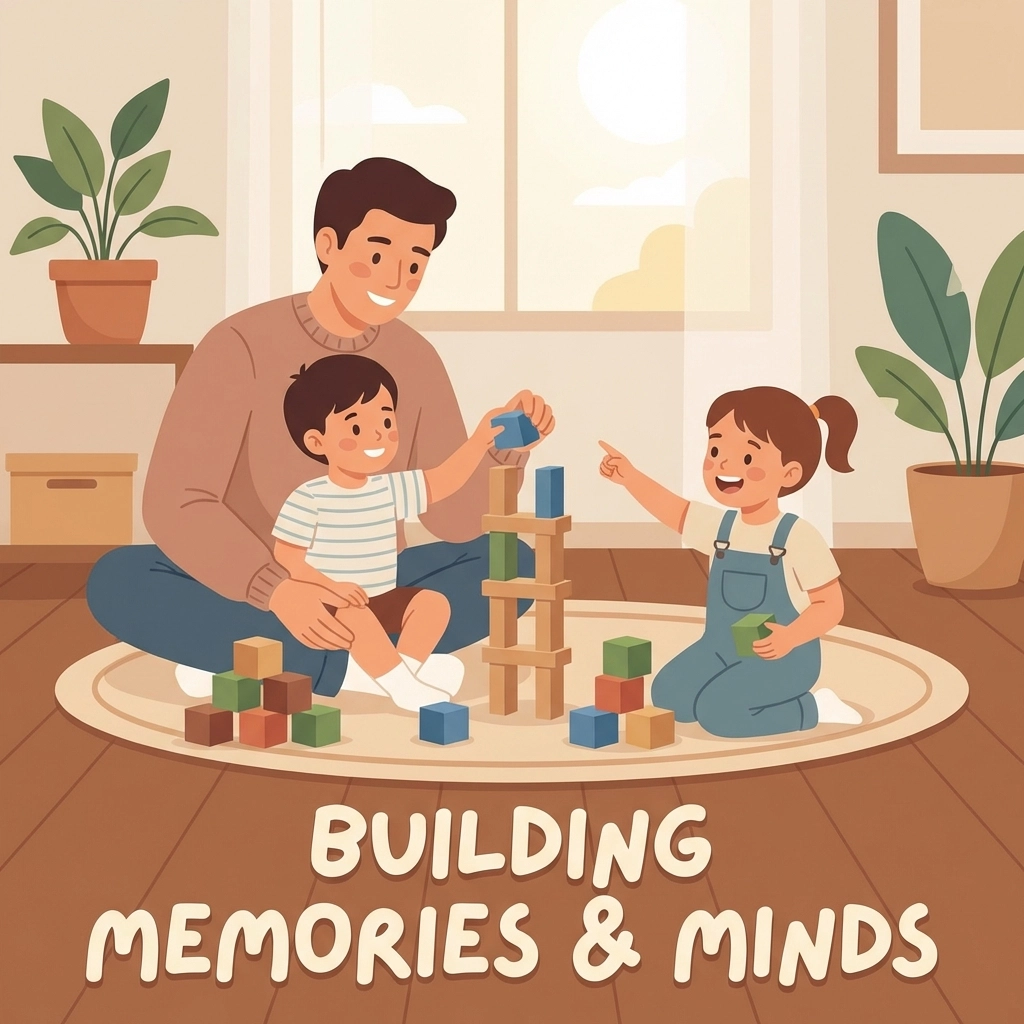
During a typical play-based ABA session, you might see your child and therapist building a tower together, with natural opportunities to practice words like "up," "big," "my turn," and "crash!" The therapist might pause and wait expectantly when your child reaches for more blocks, creating a natural moment for requesting. They might comment on your child's actions ("You're making it so tall!") to model language while acknowledging your child's accomplishment.
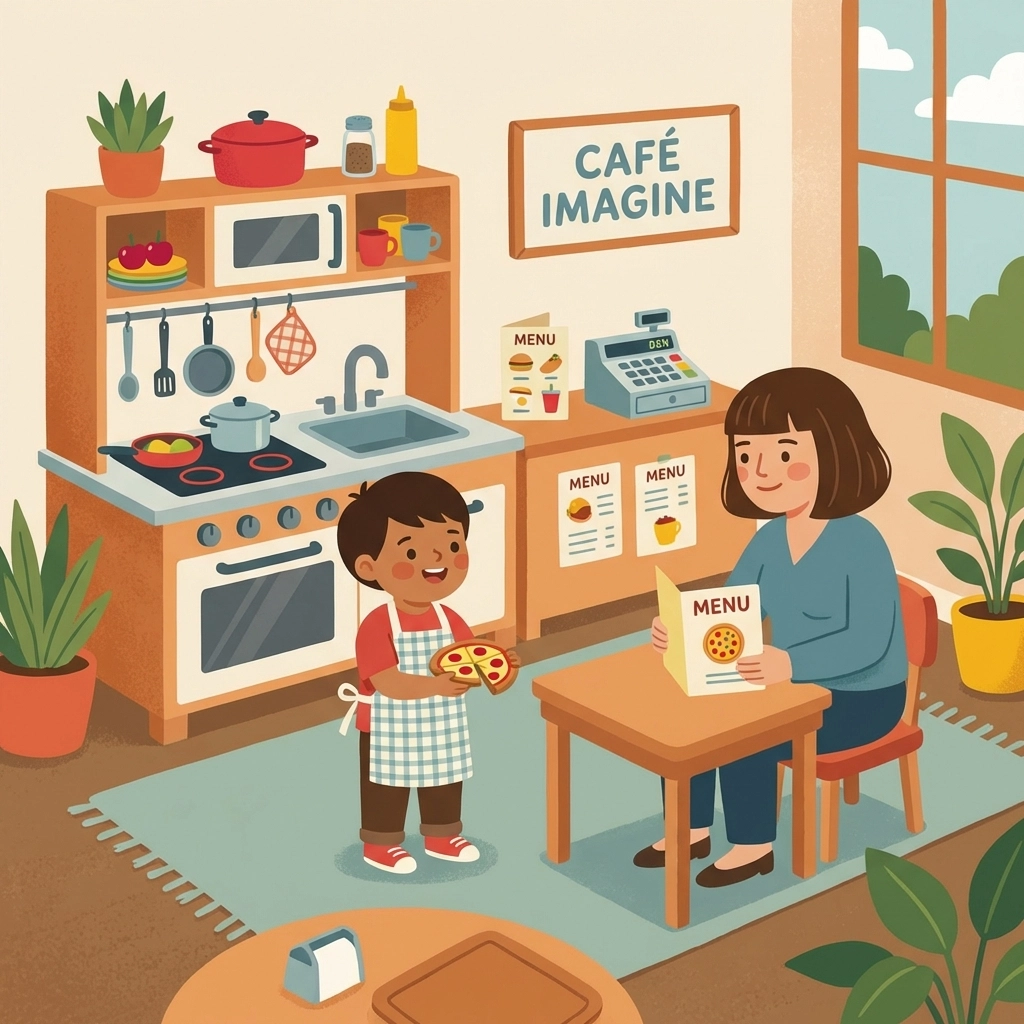
Or perhaps they're playing restaurant, with your child taking orders, serving pretend food, and handling play money. This single activity can address requesting skills ("I want pizza"), social interaction ("What would you like to order?"), following directions ("Sit at the table"), and even early academic concepts like counting and colors: all within a context that feels like pure fun to your child.
Supporting the Whole Family
Play-based ABA doesn't stop when the therapist leaves. Part of what makes this approach so effective is how easily it integrates into your family's daily routines. The strategies your child's therapy team uses during play can be adapted for bath time, mealtime, outdoor play, and bedtime routines.
You'll learn how to recognize and create communication opportunities throughout your day, turning ordinary moments into chances for your child to practice their growing skills. This doesn't mean turning every interaction into a therapy session: rather, it means becoming more aware of the natural teaching moments that already exist in your family's life.
The Science Behind the Joy
While play-based ABA feels more relaxed and enjoyable, it's built on the same evidence-based principles as traditional ABA. The difference is in the delivery method, not the underlying science. Your child is still working on specific, measurable communication goals. Progress is still being tracked and documented. The intervention is still systematic and individualized to your child's needs.
The research consistently shows that when children are engaged and motivated, they learn more effectively and retain skills longer. Play-based approaches harness this natural learning state, making therapy more efficient as well as more enjoyable.
Looking Forward
If you're considering ABA therapy for your child or looking to make changes to your current approach, play-based methods offer a promising path forward. This approach honors your child's natural way of learning while still addressing their specific communication needs systematically and effectively.
At Pillars Behavioral Health, we've seen how play-based approaches can transform not just communication skills, but families' entire relationship with therapy. When learning feels joyful and natural, everyone benefits: your child, your family, and even the therapy team working with you.
Your child's communication journey doesn't have to feel like an uphill battle. With the right approach, it can be an adventure you take together, filled with discoveries, celebrations, and genuine connection. Play-based ABA therapy might just be the key to unlocking your child's full communication potential while keeping joy at the center of the process.
Leave a Reply