If you’ve recently received an autism diagnosis for your child, your head is probably spinning. You’ve likely spent hours on Google, scrolling through forums, and talking to doctors, only to be met with a mountain of terminology. You’ve heard about “hours per week,” “behavioral interventions,” and "strict protocols." It can all feel a little… cold. A little mechanical.
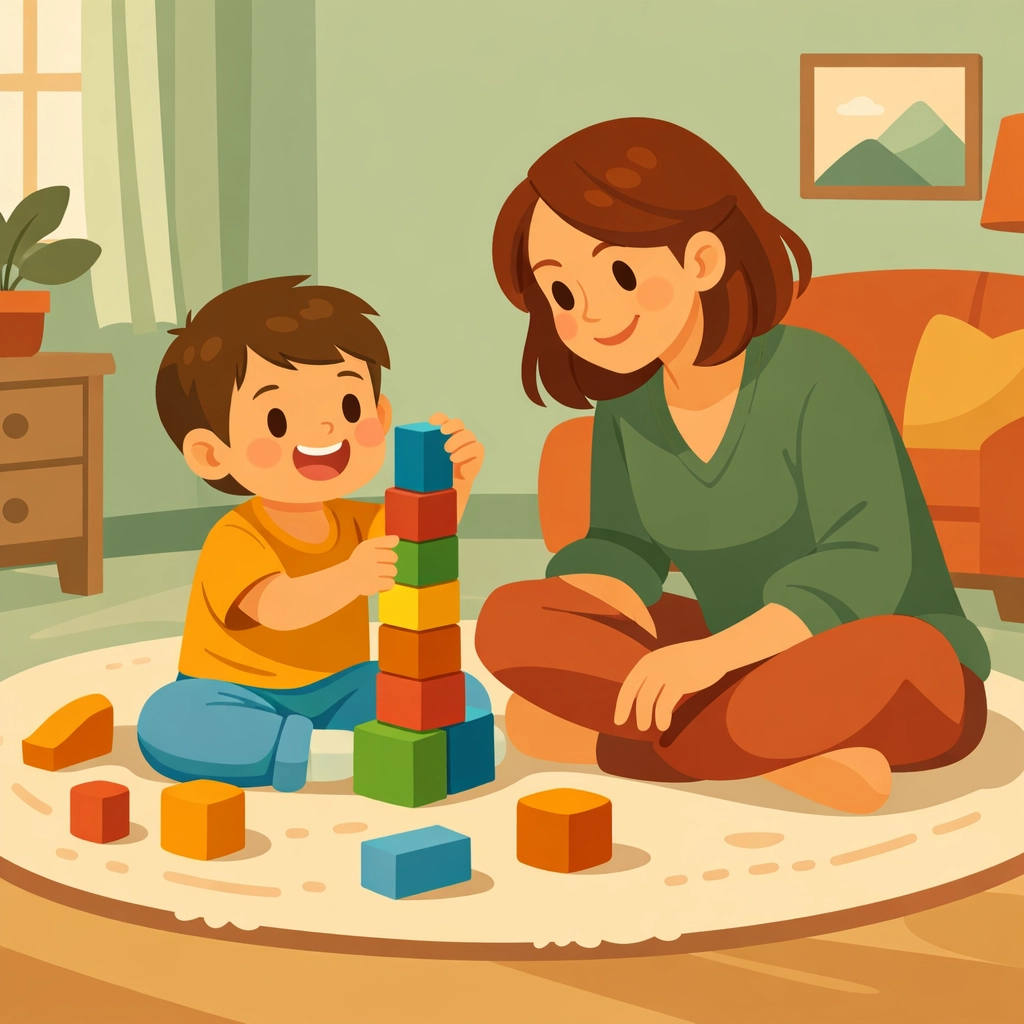
At Pillars Behavioral Health, we believe that therapy should never feel like a series of cold transactions. When we look at your child, we don’t see a set of behaviors that need to be “fixed.” We see a unique individual, masterfully created by God with a specific purpose and a world of untapped potential. We believe that the best way to help a child grow isn’t by forcing them to fit into a rigid box, but by meeting them exactly where they are, usually on the living room floor with a pile of blocks or outside chasing bubbles.
That’s why we’ve intentionally chosen a play-based approach over rigid, compliance-heavy protocols. We want to keep the joy in your child’s journey.
The Heart Behind the Science
Let’s talk about the “P” word: Protocols. In the world of Applied Behavior Analysis (ABA), protocols are essentially the "how-to" guides for teaching skills. They are important because they provide a framework, but they aren't the heart of the work. If a therapist walks into your home and spends the entire time looking at a clipboard instead of looking at your child, something is missing.
We believe that every child is a gift, uniquely designed with their own interests, quirks, and ways of seeing the world. When we start with that foundation of respect and faith, our approach naturally shifts. We aren't just looking for "compliance", we are looking for connection. We aren't just looking for "correct responses", we are looking for communication and confidence.
Why Play-Based Therapy Works Better
You might wonder, "If they’re just playing, are they actually learning?" It’s a valid question! The answer is a resounding yes. In fact, children (and even adults!) learn much more effectively when they are engaged and having fun.
Here is why we choose to follow the child's lead:
1. Natural Motivation
When therapy is built around what your child already loves, whether that’s dinosaurs, spinning toy cars, or singing nursery rhymes, they want to participate. We don’t have to "bribe" them to do the work because the work is the fun. By using the things that naturally light them up, we tap into a level of motivation that a generic sticker chart can never reach.
2. Generalization to the Real World
One of the biggest challenges in autism therapy is "generalization." This is just a fancy way of saying that a child learns a skill in one setting but can’t do it anywhere else. If a child only learns to say "please" while sitting at a desk, they might not know how to say it when they want a snack at the park.
By bringing therapy into your home, your child’s school, and your local North Carolina or Texas community, we ensure that learning happens where life happens. When we practice social skills during a playdate or communication skills during a family dinner, those skills stick.
3. Emotional Safety and Trust
For many children on the spectrum, the world can feel overwhelming. Rigid, compliance-based therapy can sometimes add to that stress. Our goal is for your child to see their therapist as a partner and a friend, someone who "gets" them. When a child feels safe and understood, their brain is in the best state to soak up new information. We don't want your child to perform for us; we want them to grow with us.
Following the Child’s Lead: What It Actually Looks Like
"Following the lead" doesn't mean there are no goals. It just means we are flexible in how we reach them.
Imagine we are working on "turn-taking." A rigid approach might involve sitting at a table with a board game and forcing the child to wait their turn for 20 minutes. If the child gets frustrated, the "protocol" might say to ignore the crying and keep going until the task is done.
At Pillars, we do things differently. If your child is currently obsessed with pouring water in the backyard, that becomes our classroom. We’ll sit in the grass with them. We’ll take turns with the watering can. We’ll talk about "my turn" and "your turn" while we’re both laughing and getting a little messy. The goal (turn-taking) is the same, but the experience is joyful rather than stressful.

Faith, Family, and Community
Our roots are deeply planted in our faith. We operate from the belief that we are called to serve families with compassion, excellence, and integrity. We know that raising a child with autism can sometimes feel isolating, but you aren't meant to do this alone.
Because we provide services in the home and community across Texas and North Carolina, we become a part of your daily rhythm. We aren't a distant medical service; we are a support system. We want to empower you, the parents, to feel confident in supporting your child’s growth. We see our role as a partnership: working alongside you to help your child flourish in the environments where they spend the most time.
Whether we are helping your child navigate the sensory challenges of a local playground or helping them communicate their needs during a school lesson, we are there to provide a steady, encouraging presence.
Moving Away from "Compliance" Toward "Capacity"
Traditional ABA has sometimes been criticized for focusing too much on making children "blend in" or act "normal" through strict compliance. We want to push back against that narrative.
Our goal isn't to change who your child is. Our goal is to build their capacity to navigate the world with ease. We want to give them the tools to express their needs, the social skills to build meaningful friendships, and the daily living skills to gain independence. We want them to do all of this while remaining exactly who God created them to be.
When you prioritize joy, you reduce the risk of therapy burnout: not just for the child, but for the whole family. When you see your child excited for their therapist to arrive, it changes the energy in your home. It turns a "medical appointment" into a highlight of the day.

A Hopeful Path Forward
If you are looking for therapy that respects your child’s spirit and prioritizes their happiness, you’ve come to the right place. We are proud to serve families in Texas and North Carolina with an approach that is scientifically sound but human-centered.
Your child’s journey is unique, and it deserves a therapy plan that is just as special as they are. There will be hard days, and there will be big challenges, but there will also be immense joy, unexpected breakthroughs, and plenty of play.
We are here to walk this path with you, celebrating every small victory and leaning on our faith to guide us as we help your child reach their God-given potential. Let's trade the rigid protocols for meaningful play and see just how far your child can go.
Are you ready to see how play-based ABA can make a difference for your family? Reach out to us today to learn more about our in-home and school-based services. We can't wait to meet you and your little one.
Leave a Reply