
If you've been researching autism therapy options, you've probably come across some strong opinions about ABA therapy. Maybe you've heard stories that made you uncomfortable: rigid table work, repetitive drills, tears, and kids who looked more robotic than joyful. And honestly? Those concerns are valid. Traditional ABA hasn't always been delivered in ways that honor a child's dignity, autonomy, or happiness.
But here's the thing: ABA therapy has evolved significantly over the years, and not all approaches look the same. At Pillars Behavioral Health, we practice play-based ABA therapy: a compassionate, child-led approach that's a world away from the old-school methods you might be picturing.
So what's the difference, and which approach is better for your child? Let's break it down in a way that actually makes sense for real families.
What Traditional ABA Looks Like (And Why Parents Have Concerns)
Traditional ABA therapy: sometimes called "discrete trial training" or DTT: typically involves a therapist sitting at a table with a child, running through structured drills. The therapist presents a stimulus (like a flashcard), prompts the child to respond in a specific way, and then provides a reward for compliance.
It's highly structured. The therapist decides what gets worked on, when, and how. The child is expected to follow directions, often repeatedly, until they master a skill in that controlled setting.
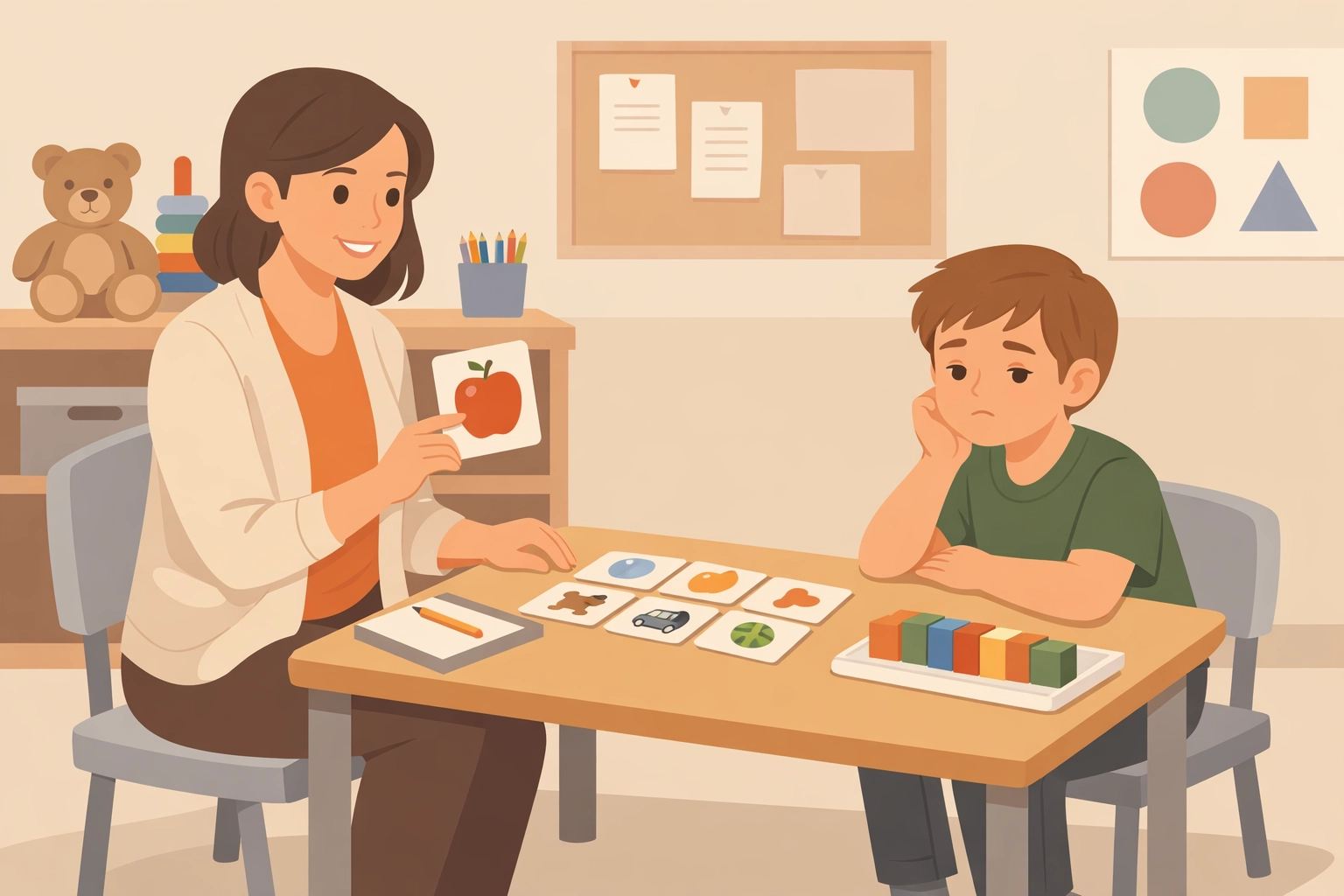
While this method has research backing its effectiveness for teaching specific skills, it can feel rigid and disconnected from how kids naturally learn. Many children find it stressful, frustrating, or boring. And here's the kicker: even when kids master a skill at the table, they don't always use it in real life: at home, at school, or on the playground. That's because the learning happened in such an artificial context that it didn't generalize.
Parents have also raised concerns about compliance-focused approaches prioritizing obedience over understanding, comfort, or autonomy. No parent wants their child to simply "comply": they want them to thrive, connect, and grow into confident individuals who can navigate the world on their own terms.
What Play-Based ABA Therapy Actually Is
Play-based ABA therapy flips the script. Instead of making your child sit at a table and follow our agenda, we meet them where they are, literally and figuratively. We follow their lead, use their interests as the foundation for learning, and embed skill-building into activities that feel natural and fun.
If your child loves dinosaurs, we're teaching communication skills during dinosaur play. If they're obsessed with bubbles, we're working on turn-taking, requesting, and social interaction while blowing bubbles together. If they want to run around outside, we're building motor skills, following directions, and problem-solving in that context.
This is sometimes called Natural Environment Training (NET) or Pivotal Response Treatment (PRT): fancy terms that basically mean we're teaching skills in real-world settings, using your child's motivation as the engine for learning.

Our therapists aren't sitting across from your child with a clipboard, barking commands. They're getting down on the floor, building trust, and creating a relationship where your child feels safe, understood, and genuinely excited to learn.
The Core Differences That Actually Matter
Let's get practical. Here's what sets play-based ABA therapy apart from traditional approaches:
Who's in charge? In traditional ABA, the therapist decides the activities and goals. In play-based ABA, your child's interests guide the session. We follow their lead and embed teaching moments into what they're already motivated to do.
What does it look like? Traditional ABA often involves repetitive drills at a table. Play-based ABA looks like playing, exploring, and interacting: sometimes you wouldn't even know therapy is happening.
How does your child feel? Traditional ABA can create anxiety and resistance because it's so structured and demand-heavy. Play-based ABA reduces stress by making learning enjoyable and meeting your child in their comfort zone.
Where does learning happen? Traditional ABA typically happens in one specific setting (often a clinic or at a table). Play-based ABA happens everywhere: in the living room, backyard, grocery store, or park: so skills are more likely to stick.
What's the relationship like? In traditional models, the therapist is the authority figure directing the child. In compassionate behavior therapy, the therapist is a trusted partner who respects your child's autonomy and builds a genuine connection.
Why Play-Based ABA Works Better for Skill Generalization
Here's one of the biggest problems with traditional, table-based ABA: kids might learn to point to a picture of an apple on a flashcard, but they don't ask for an apple at snack time. They might learn to wave "hi" in the therapy room, but they don't greet Grandma when she comes over.
That's because the skill was learned in such a narrow, artificial context that it didn't transfer.
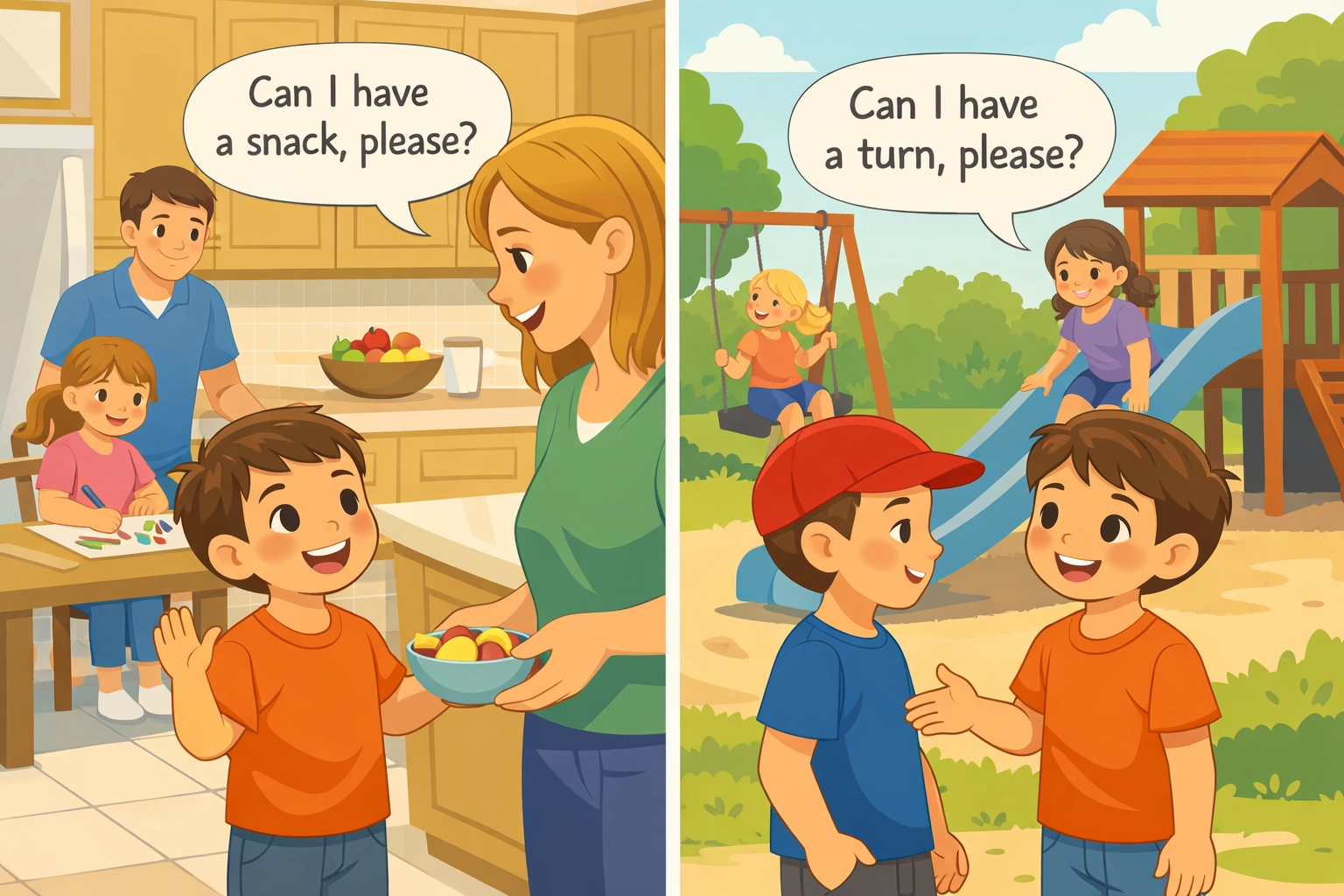
Play-based ABA therapy prioritizes generalization from day one. We teach skills in the environments where your child will actually use them. We involve family members, siblings, and other natural communication partners. We practice in different settings, with different materials, and across different times of day.
The goal isn't just to check a box that says your child "can do" something. The goal is for your child to use that skill independently, flexibly, and meaningfully in their real life: at home, at school, and in the community.
Positive Behavior Support Without the Power Struggles
Let's talk about challenging behavior, because that's often a big concern for families seeking support.
Traditional ABA has historically focused on reducing "problem behaviors" through consequences: sometimes using techniques that feel punitive or controlling. The emphasis was on compliance: making the child stop doing something, regardless of why they were doing it in the first place.
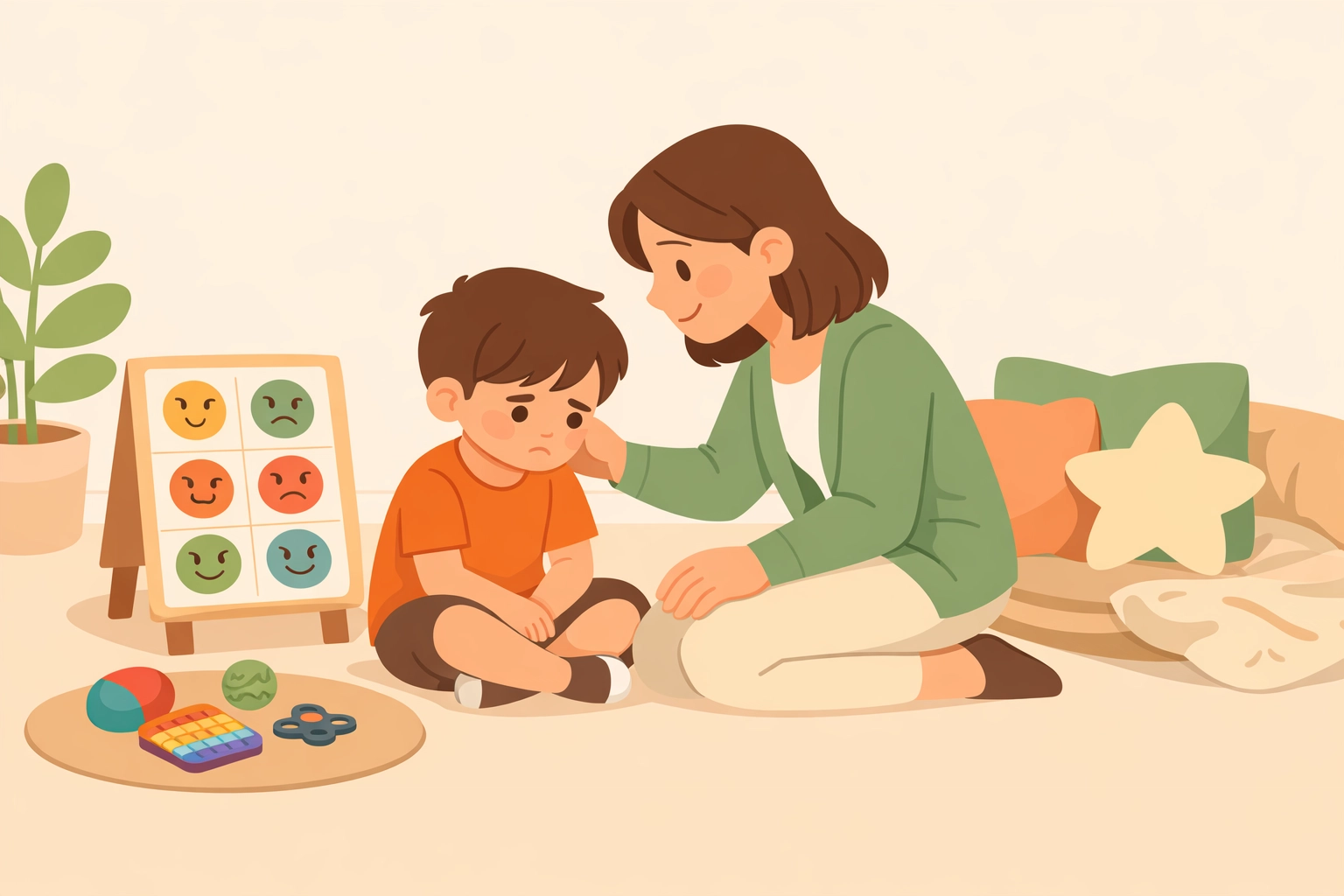
We take a completely different approach. We believe that behavior is communication. When your child is melting down, eloping, or refusing to participate, they're trying to tell you something. Maybe they're overwhelmed, scared, frustrated, or in need of sensory input. Maybe the demand is too hard, the environment is too loud, or they don't have the words to express what they need.
Our job isn't to suppress that communication: it's to understand it and teach better alternatives.
We use positive behavior support strategies that focus on teaching skills rather than just eliminating behaviors. We build environments that set your child up for success. We teach communication so they can ask for breaks, request help, or express their needs in ways that work for everyone.
And we do it all without power struggles, shame, or making your child feel like they're broken or bad.
What This Looks Like in Your Home (Texas and North Carolina Families, We're Here for You)
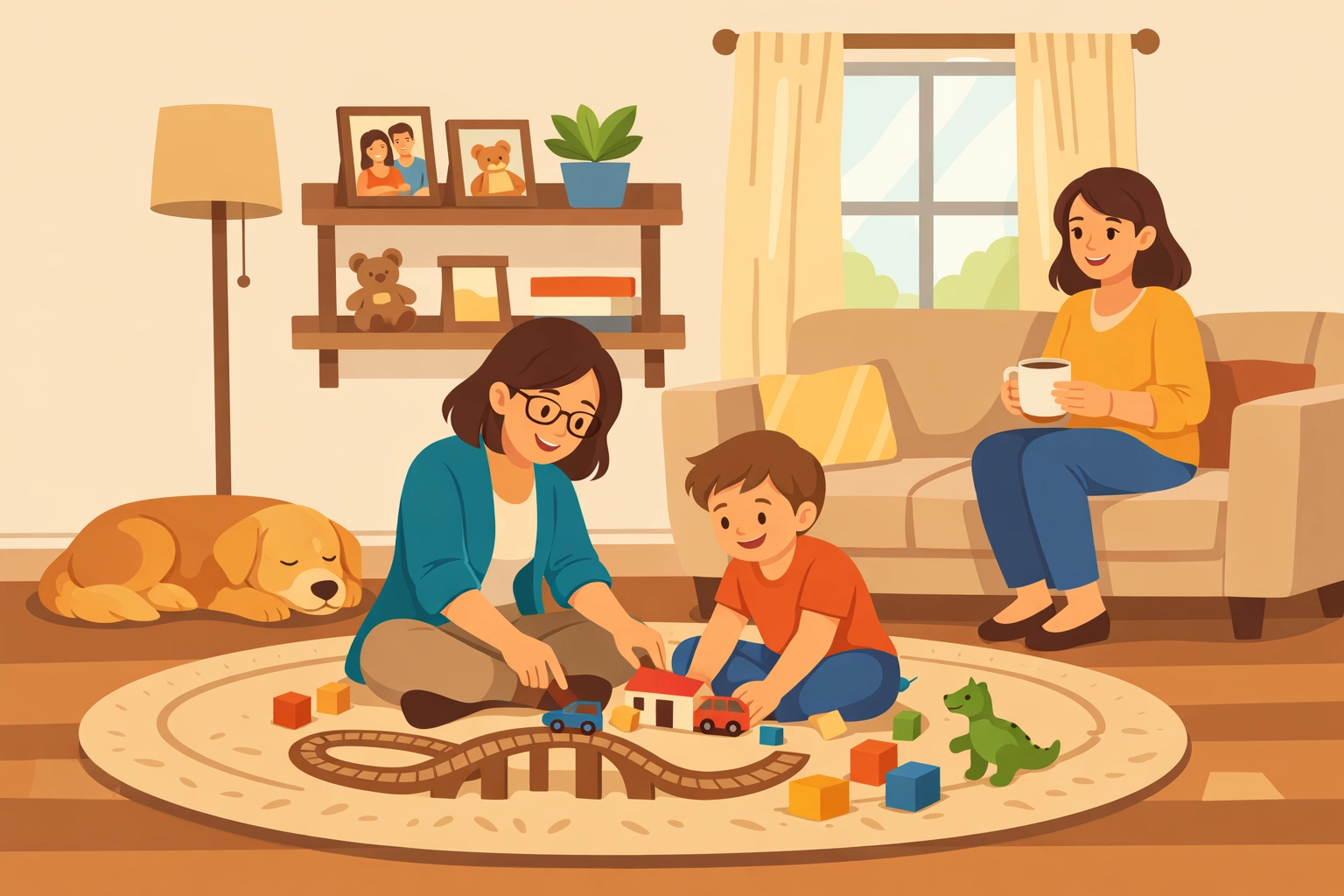
At Pillars Behavioral Health, we bring compassionate, play-based ABA therapy directly to your home. Whether you're in Texas or North Carolina, we're committed to providing autism therapy that respects your child, honors your family's values, and actually works in your real life: not just in a clinical setting.
Our Board Certified Behavior Analysts (BCBAs) and trained therapists will spend time getting to know your child: their interests, their strengths, their challenges, and what makes them light up. We'll collaborate with you to set meaningful, family-centered goals. And we'll embed skill-building into everyday routines, play, and activities that your child already enjoys.
Maybe that means practicing communication during snack time, working on social skills during playdates with siblings, or building independence during morning routines. We're not bringing a table and flashcards into your living room: we're bringing warmth, expertise, and a genuine commitment to helping your child thrive.
Is Play-Based ABA Right for Your Child?
Here's the honest answer: every child is different, and what works beautifully for one family might not be the perfect fit for another. Some kids do benefit from more structured approaches, especially when they thrive on predictability and clear routines.
But if you're looking for autism therapy in Texas or North Carolina that feels warm, respectful, and grounded in real-world application: if you want your child to actually enjoy therapy and build skills that translate beyond the session: then play-based ABA might be exactly what you've been searching for.
We're not here to "fix" your child or force compliance. We're here to support your family, celebrate your child's strengths, and help them build the skills they need to connect, communicate, and participate in the world in ways that feel authentic to them.
If that sounds like the kind of support you're looking for, we'd love to connect. You can learn more about our services and reach out to our team at Pillars Behavioral Health.
Because at the end of the day, therapy should never feel like a battle. It should feel like a partnership: one built on trust, respect, and the belief that every child deserves to learn and grow in an environment where they feel valued, understood, and truly seen.
Leave a Reply