
You've probably been there before: Your child knocks over their juice cup, again. Or they're making loud noises during dinner, for the third night in a row. You turn to them and say, "Stop that!" in your most serious parent voice. They pause for a moment, and then… they do it again. And again. It's like your words have the opposite effect.
Here's the thing that catches so many families off guard: Your "stop that" might actually be giving your child exactly what they're looking for. And no, that doesn't mean you're doing anything wrong as a parent. It just means we need to understand the fascinating (and sometimes frustrating) way our brains are wired when it comes to attention.
The Attention Paradox: Why Any Attention Can Feel Like a Win
Let's talk about something that seems backward at first: For many children, negative attention feels better than no attention at all.
Think about it from your child's perspective. They've been playing independently for 15 minutes while you're making dinner. They're feeling disconnected. They want you to see them, to interact with them, to acknowledge their existence in that moment. So they do something, anything, that they know will get your eyes on them and your voice directed toward them.

Even if that voice is saying "No!" or "Stop!" or "We don't do that!", congratulations, they just got what they were seeking. Your attention. Your focus. Your energy directed at them.
The research backs this up in a pretty compelling way. When we receive social attention from someone important to us, our brain's reward system lights up like a Christmas tree. Dopamine, that feel-good neurotransmitter, gets released, creating a sense of satisfaction. And here's the kicker: This happens whether the attention is positive or negative. Your brain doesn't always distinguish between "good" attention and "bad" attention. It just registers: "Someone important noticed me."
This is why attention-seeking behavior can be so persistent. You're not accidentally rewarding your child for misbehaving, you're just caught in a neurological loop where any engagement feels reinforcing.
Understanding the "Why" Behind Attention-Seeking
Before we talk about solutions, let's pause and get curious about what's really happening beneath the surface. Because here's something important: Behavior is always communication. When a child is consistently seeking attention in challenging ways, they're usually telling us something about an unmet need.
Maybe they're craving connection after feeling emotionally distant. Maybe they're seeking reassurance that they matter and belong. Maybe they've learned that "misbehavior" is the most reliable way to get interaction because quiet, appropriate behavior often goes unnoticed.
At Pillars Behavioral Health, we approach these moments with compassion and curiosity rather than judgment. We know that children aren't being "manipulative" or "bad", they're simply using the strategies they have to meet a legitimate need. Our job isn't to eliminate that need; it's to help them meet it in healthier, more functional ways.
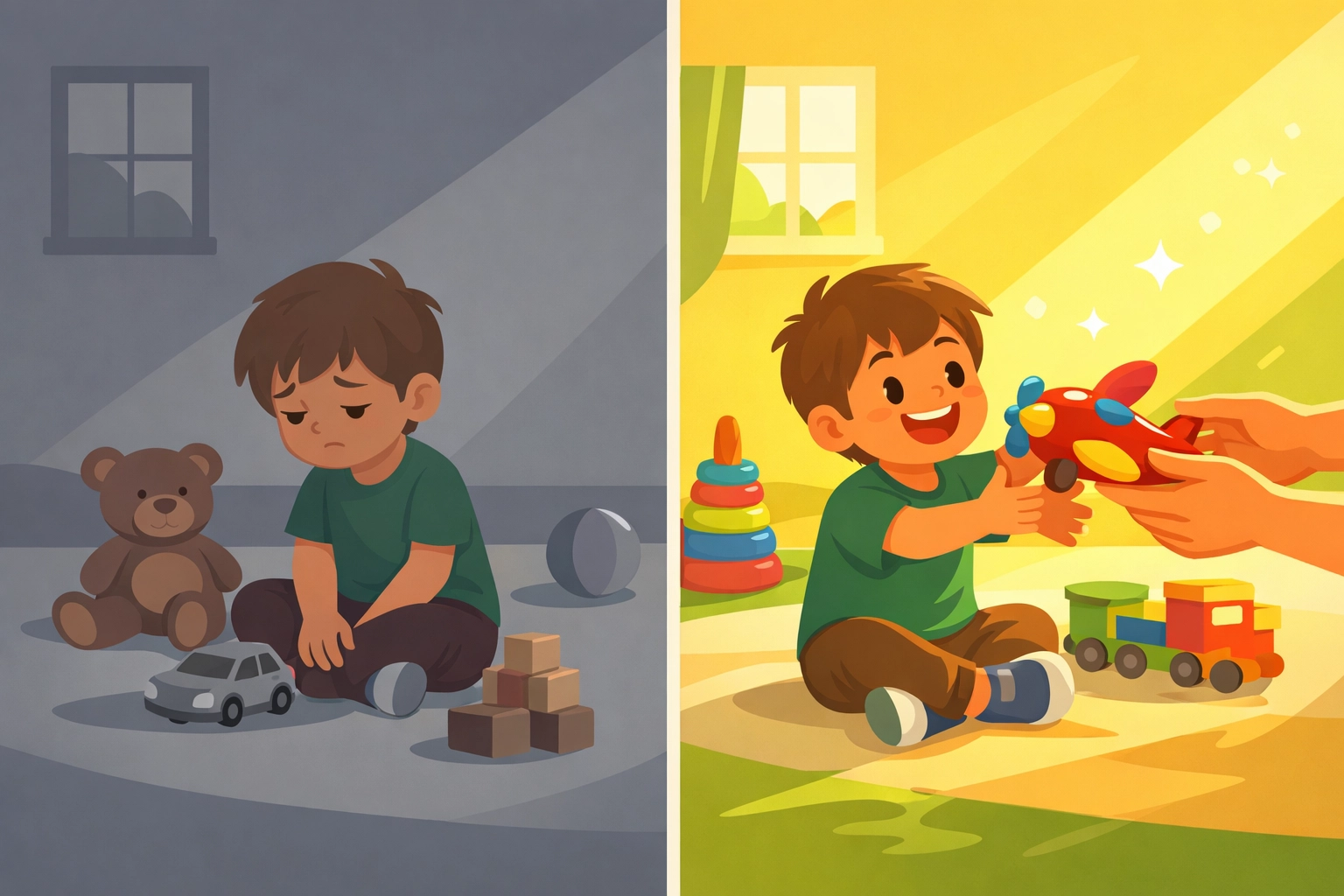
This is especially true for children who benefit from autism therapy Texas families turn to for support. Many neurodivergent children experience the world differently, which means their communication patterns and attention needs might look different too. What seems like "acting out" might actually be a reasonable response to feeling overwhelmed, disconnected, or unsure how to ask for what they need.
The Reprimand Trap: How We Accidentally Keep It Going
So if reprimands can actually make attention-seeking behavior worse, why do we keep using them? Because they feel intuitive! We think: "If I tell them to stop, they'll stop." That makes logical sense from an adult perspective.
But the child's experience is different. Let's walk through what happens in their brain:
- They do something challenging (knock something over, make loud noises, interrupt)
- You respond immediately with your full attention
- Their brain registers: "That behavior got me connection"
- Next time they want attention, that behavior becomes more likely
This cycle can happen unconsciously, quickly, and repeatedly throughout the day. And the more it repeats, the stronger the pattern becomes.
Here's where it gets tricky: Sometimes the behavior actually escalates before it improves. This is called an "extinction burst." If ignoring the behavior is part of the solution (which we'll get to), the child might initially try harder, louder noises, bigger disruptions, because the old strategy isn't working anymore. It's like pressing an elevator button repeatedly when it doesn't light up the first time.
Understanding this pattern is crucial because it helps us respond with empathy instead of frustration. Your child isn't trying to make your life difficult. They're using the tools they have.
The Pillars Approach: Building Connection Through Play and Positive Reinforcement
This is where play based ABA therapy and compassionate behavior therapy completely flip the script. Instead of focusing on what to stop, we focus on what to build.
At Pillars Behavioral Health, we believe that strong, trusting relationships are the foundation for all learning and behavior change. Our approach centers on connection first, compliance never. We use play-based interventions that feel natural and joyful, not clinical or robotic.

Here's what this looks like in practice:
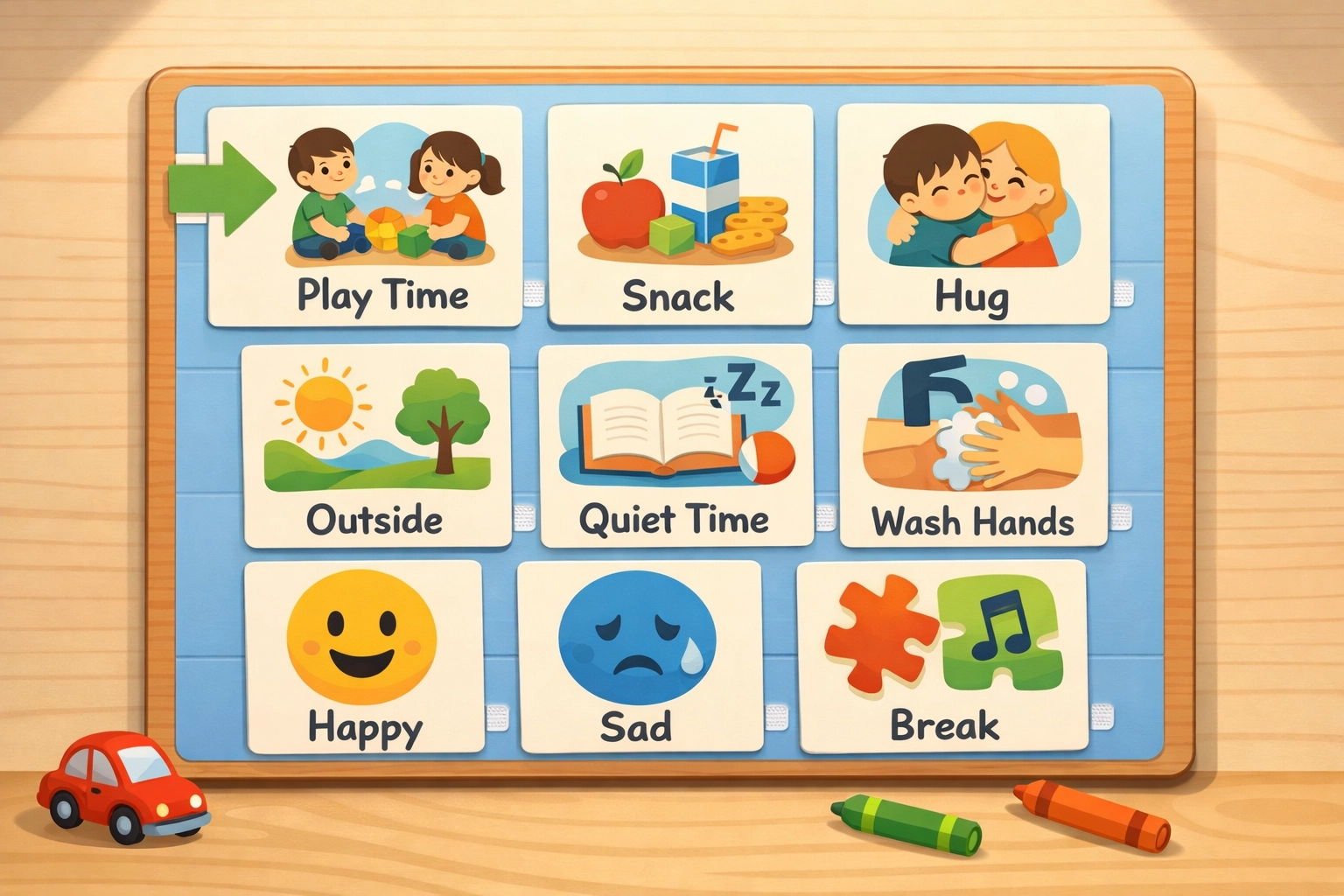
We teach functional communication. Instead of just reducing attention-seeking behavior, we help children develop better ways to ask for what they need. This might look like teaching a child to say "Play with me!" or use a visual card to request attention. When we give children a functional alternative, the challenging behavior naturally decreases because it's no longer necessary.
We use positive behavior support. This means we catch your child doing things right and provide generous, specific attention for appropriate behaviors. "I love how you're playing so creatively with those blocks!" or "Thank you for waiting patiently while I finished that phone call." This strategy floods their "attention tank" during positive moments, reducing the need to seek it through challenging behavior.
We work in natural environments. Our in-home ABA therapy means we meet families where they are, literally. We observe the contexts where attention-seeking happens most and help you develop practical, realistic strategies that fit your family's unique rhythm and values.
Practical Strategies: What to Do Instead of "Stop That"
Okay, so if reprimands can backfire, what should you do when your child is seeking attention in challenging ways? Here are some strategies rooted in compassion and evidence:
1. Prevent attention-seeking by proactively filling the tank. Set regular, predictable times for one-on-one connection throughout the day. Even 5-10 minutes of fully focused, phone-free interaction can dramatically reduce attention-seeking behavior. Your child learns: "I don't need to knock something over to get Mom's attention because I know she'll play with me after lunch."
2. Use strategic ignoring: carefully. If a behavior is purely attention-seeking and not dangerous, you can choose not to respond with eye contact, words, or body language. This removes the reinforcement. But here's the critical part: You must immediately attend to and praise the next appropriate behavior. "I love how you're sitting so nicely now! Want to tell me about your drawing?"
3. Narrate the positive. Instead of pointing out what's going wrong, narrate what's going right in a steady stream throughout the day. "You're playing so independently! You're using your inside voice! You're being so gentle with the dog!" This provides consistent attention for behaviors you want to see more of.
4. Teach your child to ask for attention appropriately. Model and practice phrases like "Can you play with me?" or "I need a hug" or "Can we talk?" Then, whenever your child uses these appropriate requests, respond as quickly as possible. This teaches them that functional communication works even better than challenging behavior.
5. Stay emotionally neutral when you need to intervene. If you must respond to a challenging behavior because it's unsafe, keep your tone flat and your words minimal. "Blocks stay on the floor" while gently redirecting, with no emotional energy behind it. Save your warmth, expression, and engagement for positive moments.
When to Seek Support
Sometimes attention-seeking behavior is part of a larger pattern, or it persists despite your best efforts. That's when partnering with professionals who understand the science of behavior can make all the difference.
If you're in Texas and searching for support, Pillars Behavioral Health offers a different kind of autism therapy Texas families can trust. We don't just focus on reducing behaviors: we focus on building relationships, teaching communication, and creating environments where your child can thrive.

Our play-based approach means therapy doesn't feel like work. It feels like connection. And that's exactly where the magic happens.
The Bottom Line
Your "stop that" isn't making you a bad parent. But it might be accidentally reinforcing the very behavior you're trying to reduce. Once you understand the attention paradox: that any attention can feel rewarding to a child seeking connection: you can shift your approach.
Instead of reacting to challenging behavior, you can proactively build connection. Instead of reprimanding, you can teach better communication. Instead of feeling frustrated, you can feel empowered with strategies that actually work.
At Pillars Behavioral Health, we believe every child is doing the best they can with the tools they have. Our job is to give them better tools: and to support families with compassion, evidence-based strategies, and a whole lot of play.
If you're ready to break the cycle and build something better, we're here to walk alongside you. Because attention-seeking behavior isn't a character flaw: it's an invitation to connect more deeply with your child. Let's answer that invitation together.
Leave a Reply