As a parent, you want nothing more than to see your child thrive. You've invested time, energy, and hope into ABA therapy, trusting that it would unlock your child's potential and help them navigate the world with greater confidence. But lately, something feels off. Maybe your child dreads therapy sessions, or you're noticing that skills learned in the clinic don't seem to translate to real life. You're not alone in these concerns, and more importantly, you're not wrong to question whether your current approach is truly serving your child's best interests.
The truth is, not all ABA therapy is created equal. While Applied Behavior Analysis can be incredibly effective, overly rigid approaches can sometimes do more harm than good. If you've been wondering whether your child might benefit from a more flexible, play-based approach to ABA, you've come to the right place. Let's explore the warning signs that indicate it might be time for a change.
1. Your Child Shows Increased Anxiety and Resistance Around Therapy
One of the clearest indicators that rigid ABA isn't working is when your child begins to associate therapy with stress rather than growth. You might notice your child becoming anxious before sessions, displaying avoidance behaviors, or having more frequent meltdowns during or after therapy.
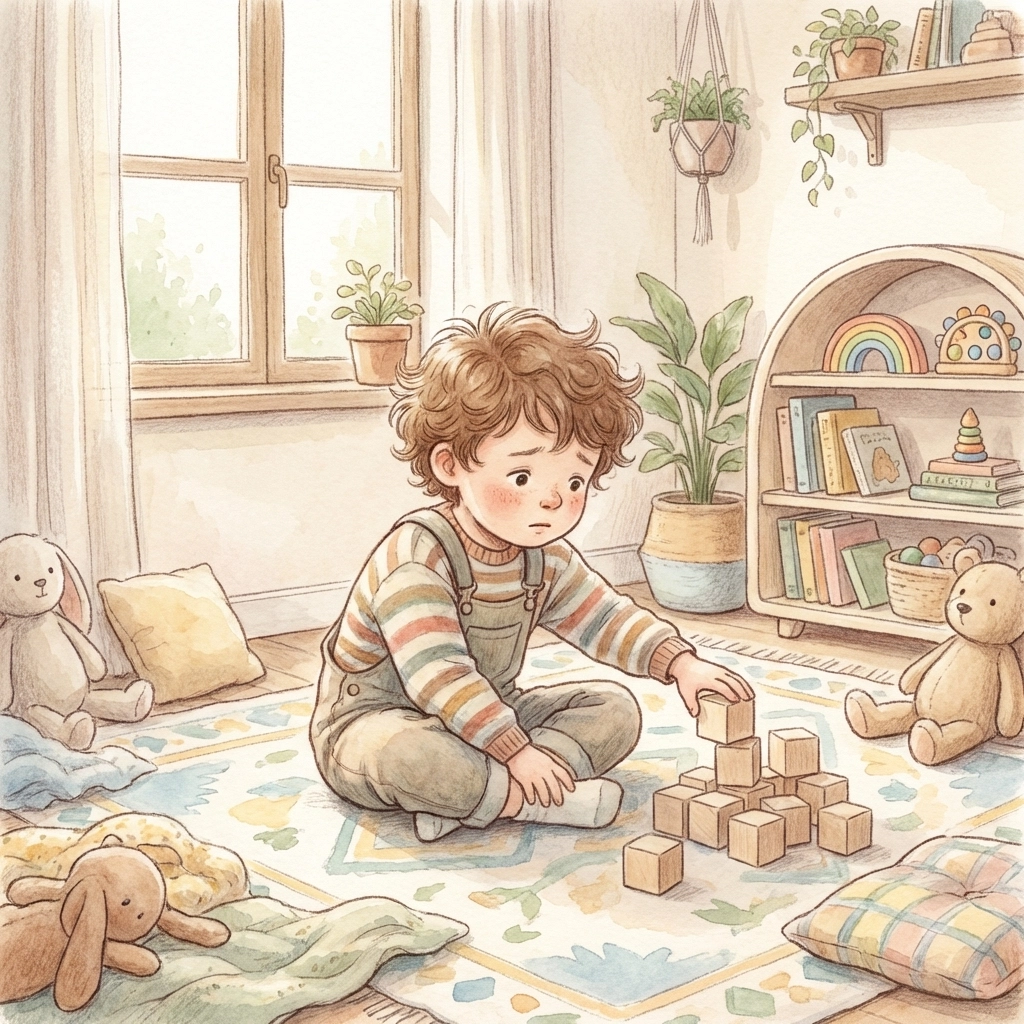
This resistance often stems from approaches that prioritize compliance over comfort. When therapy feels like a series of demands rather than engaging activities, children naturally begin to shut down. In contrast, play-based ABA meets children where they are, using their natural interests and preferred activities as vehicles for learning. This approach reduces anxiety because learning happens through enjoyable, meaningful experiences rather than rigid drills.
If your child used to be neutral or even positive about therapy but now shows clear signs of distress, it's worth examining whether the current approach is too demanding or inflexible for their temperament and needs.
2. Skills Aren't Transferring to Real-Life Situations
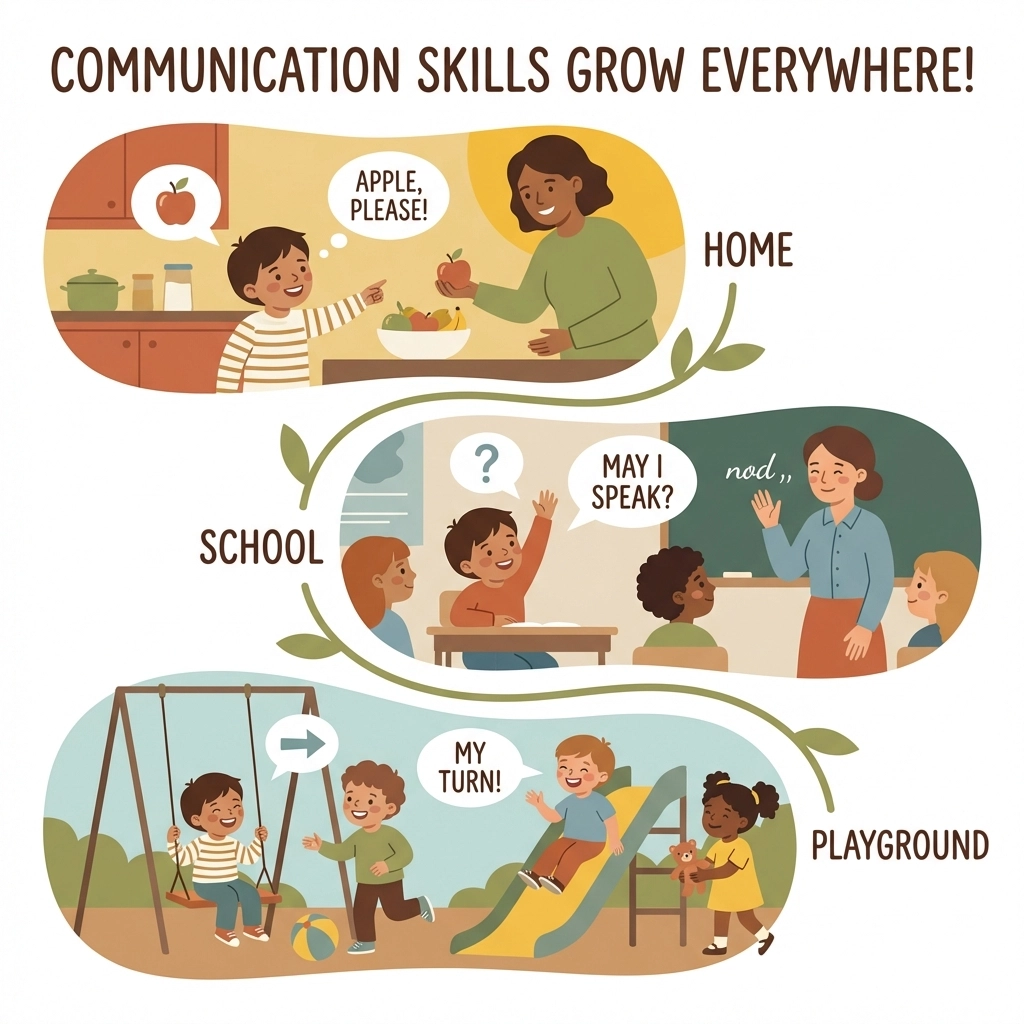
Perhaps one of the most frustrating experiences for parents is watching their child demonstrate a skill perfectly in the clinic, only to struggle with that same skill at home, school, or in the community. This lack of generalization is a hallmark of overly structured ABA programs that focus on rote learning rather than true understanding.
Play-based approaches naturally promote generalization because they incorporate learning into contexts that mirror real life. When a child learns communication skills through play with toys they love, or practices social skills during activities they find engaging, those skills are more likely to emerge spontaneously in similar situations outside of therapy.
3. Progress Has Plateaued Despite Consistent Effort
If you feel like you're stuck in a repetitive cycle where your child goes through the motions but isn't making meaningful progress toward their goals, this could indicate that the current approach isn't challenging them in the right way. Rigid programs often continue with the same strategies even when they're no longer effective, leading to stagnation.
Play-based ABA allows for more dynamic adjustments based on your child's changing interests, developmental stage, and emerging skills. This flexibility keeps learning fresh and engaging, preventing the plateaus that often occur with inflexible programming.
4. Your Child Shows Over-Reliance on Prompts and Limited Initiative
Have you noticed that your child can complete tasks but only when given specific cues or prompts? While prompting is a necessary part of teaching, over-reliance on prompts can indicate that learning has become too scripted. Children in rigid programs often become "prompt dependent," waiting for adult direction rather than showing natural curiosity or initiative.
Play-based approaches encourage independence by embedding learning opportunities within child-led activities. When children are engaged in activities they've chosen or that align with their interests, they're more likely to explore, problem-solve, and demonstrate skills spontaneously.
5. Social Skills Development Feels Forced or Unnatural
Social skills are inherently dynamic and context-dependent, yet some ABA programs try to teach them through rigid scripts or artificial scenarios. If your child can recite social rules but struggles to connect genuinely with peers, or if social skills practice feels robotic, the approach may be too structured.
Play-based ABA recognizes that social skills develop best through natural interactions during preferred activities. When children engage in play they enjoy alongside peers or adults, social learning happens organically. They learn to read social cues, negotiate, share, and communicate in ways that feel authentic rather than rehearsed.
6. Sensory and Emotional Needs Are Being Overlooked
Rigid ABA programs sometimes prioritize behavioral compliance over understanding the underlying reasons for a child's responses. If your child's sensory sensitivities, emotional regulation needs, or communication attempts are being overlooked in favor of strict adherence to the program, it may be time to consider a more holistic approach.
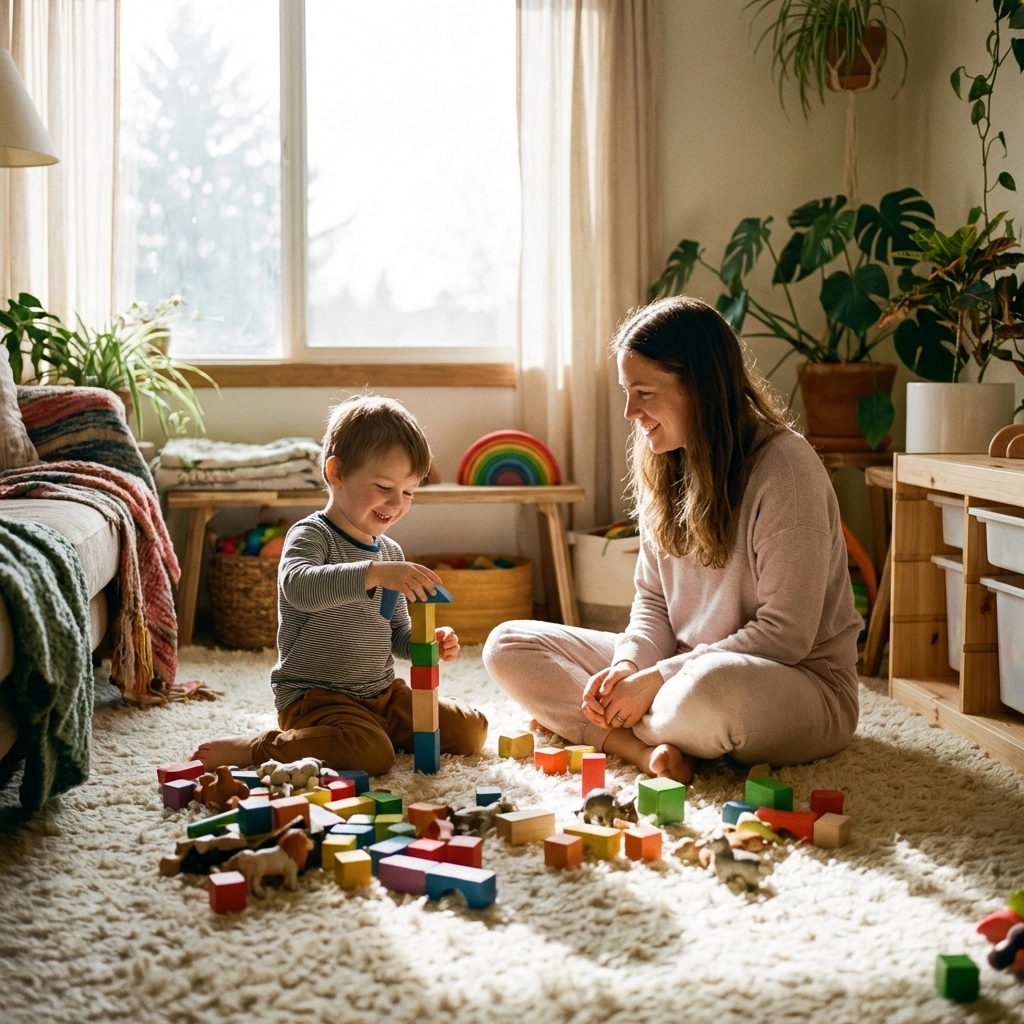
Play-based ABA naturally incorporates sensory preferences and emotional support because it follows the child's lead. When therapy is built around activities that feel good and make sense to your child, their sensory and emotional needs become integral to the learning process rather than obstacles to overcome.
7. You Feel Disconnected from the Therapy Process
As a parent, you know your child better than anyone. If you feel like your insights, concerns, or observations aren't being valued, or if the therapy team seems inflexible about incorporating your family's values and priorities, this disconnect can significantly impact your child's progress.
Effective play-based ABA should feel collaborative, with therapists working alongside you to understand your child's unique strengths, challenges, and interests. Your family's goals, values, and daily routines should be central to the therapy plan, not an afterthought.
What Play-Based ABA Offers
Play-based ABA maintains the evidence-based principles of Applied Behavior Analysis while delivering them through naturalistic, engaging activities. This approach recognizes that children learn best when they're motivated, comfortable, and actively engaged. Instead of asking your child to sit at a table for repetitive drills, play-based ABA might teach the same skills through games, art projects, outdoor exploration, or activities built around your child's special interests.
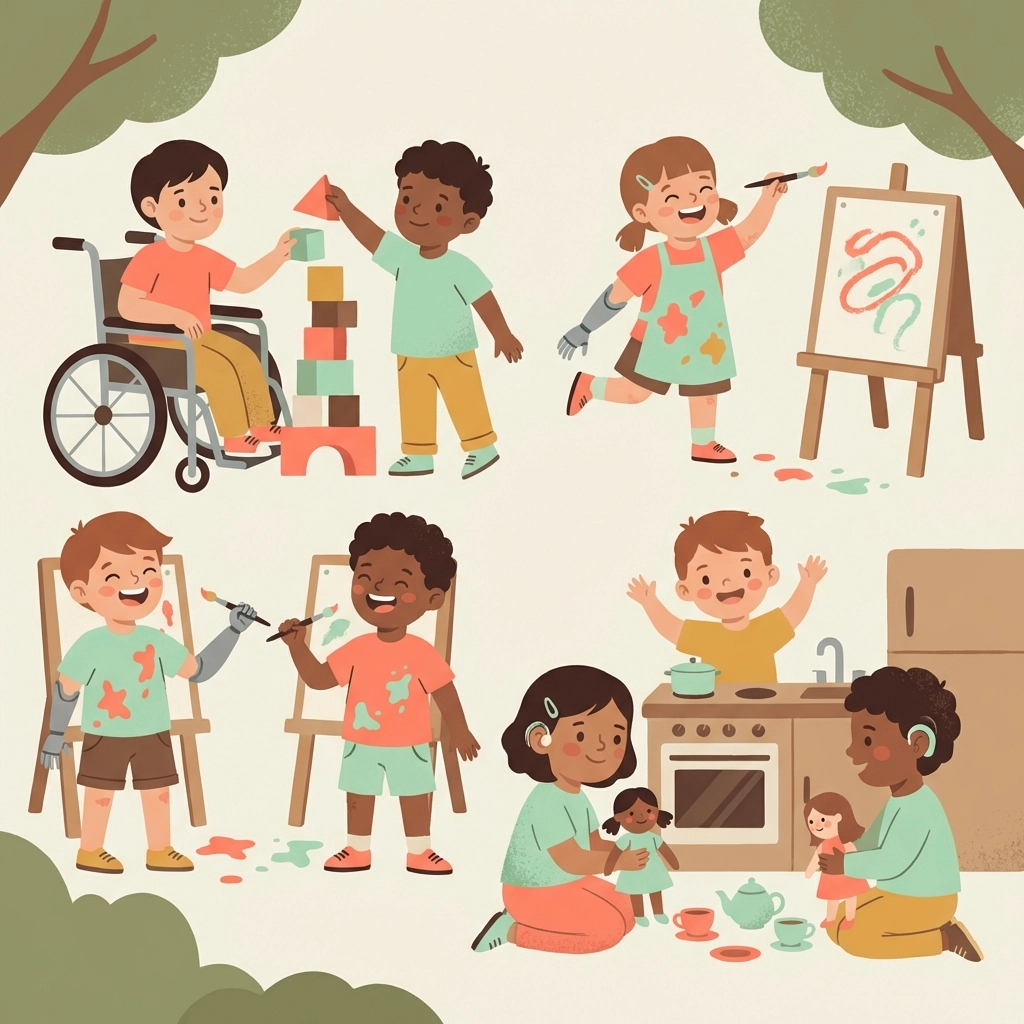
The beauty of this approach is that it doesn't sacrifice effectiveness for engagement. Research consistently shows that naturalistic, play-based interventions can be just as effective as traditional discrete trial training, often with better generalization and fewer negative side effects.
Making the Transition
If you recognize your child's experience in these warning signs, know that change is possible. Start by having an open conversation with your current provider about your concerns. A skilled BCBA should be willing to modify the approach based on your child's needs and your family's feedback.
If your current team isn't receptive to changes or doesn't have experience with play-based approaches, it may be time to seek a second opinion. Look for providers who emphasize child-led learning, family collaboration, and naturalistic teaching strategies.
Moving Forward with Hope

Recognizing that your child's current therapy approach isn't working doesn't mean you've failed or that your child can't make progress. It means you're being an advocate for what your child needs to thrive. Play-based ABA offers a path forward that honors your child's individuality while still providing the structured support they need to develop important skills.
At Pillars Behavioral Health, we believe that effective therapy should feel joyful and meaningful for both children and families. We're here to support you in finding an approach that celebrates your child's strengths while gently addressing their challenges. Your child deserves therapy that feels like play, learning that feels natural, and progress that extends far beyond the therapy room.
If you're ready to explore how play-based ABA might benefit your family, we'd love to have a conversation about your child's unique needs and how we can support their journey toward greater independence and joy.
Leave a Reply